
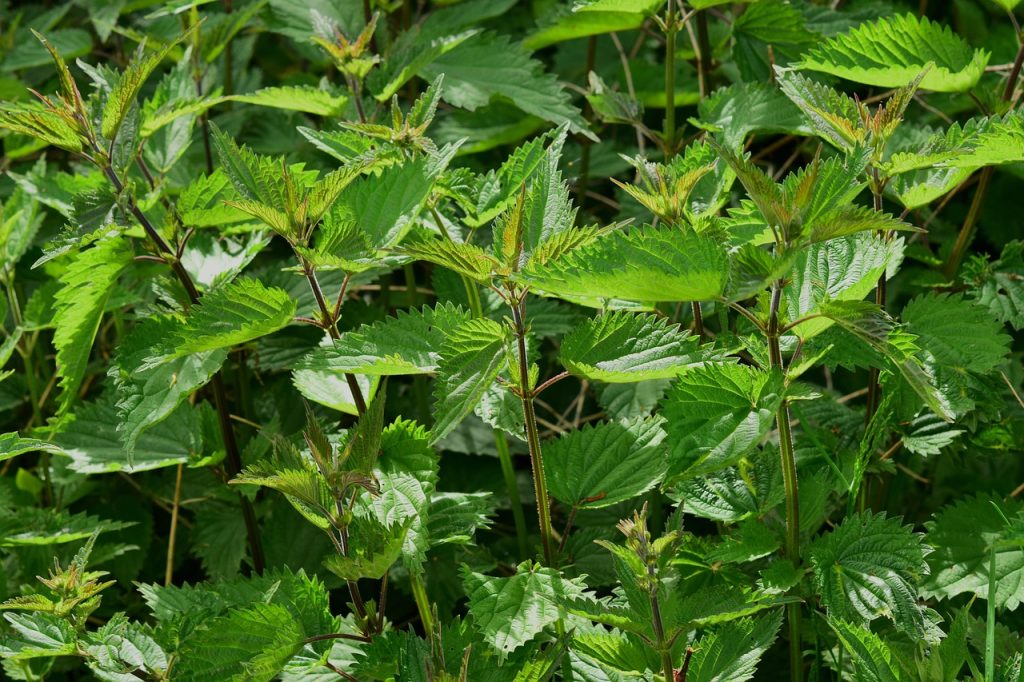
Many wild plants and herbs have been used for centuries to help clean wounds, reduce inflammation, and support the body’s natural healing processes. Before using any wild plant medicinally, proper identification is essential. Some plants have toxic look-alikes, and herbal remedies should never replace professional medical care for serious injuries or illnesses. However, understanding traditional medicinal plants can be a valuable survival and outdoor skill.
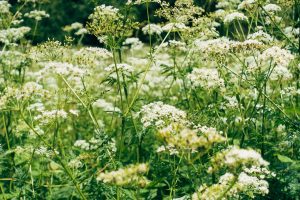
One of the most well-known medicinal plants is yarrow (Achillea millefolium). Yarrow grows throughout much of North America and is recognized by its feathery leaves and clusters of small white flowers. Traditionally, crushed yarrow leaves were applied directly to cuts and scrapes to help stop bleeding and reduce the risk of infection. Yarrow also contains compounds believed to have anti-inflammatory properties that may help soothe irritated skin.
Plantain (Plantago major and Plantago lanceolata) is another common medicinal herb often found in lawns, trails, and disturbed soil. The broad or narrow leaves can be crushed into a poultice and applied to insect bites, minor burns, and small wounds. Plantain has long been valued for its ability to reduce inflammation and soothe irritated skin. Many outdoor enthusiasts consider it one of the most useful medicinal weeds because of its widespread availability.
Calendula, sometimes found growing wild or naturalized in certain regions, has traditionally been used for its antiseptic and anti-inflammatory properties. The bright orange or yellow flowers contain compounds that may help calm irritated skin. Calendula preparations are commonly used in salves and ointments designed for minor cuts, abrasions, and skin irritations.
Usnea, often called “old man’s beard,” is a lichen that hangs from tree branches in many forested regions. It has been used in traditional herbal medicine due to compounds that exhibit antimicrobial properties. Historically, usnea was used as a dressing for wounds and infections. Proper identification is critical because several similar-looking lichens do not possess the same characteristics.
Pine trees provide more than shelter and firewood in a survival situation. Pine needles, sap, and inner bark have all been used medicinally. Pine resin, in particular, has traditionally been applied to minor cuts and scrapes because of its natural antiseptic qualities. The sticky resin can help form a protective barrier over small wounds while also discouraging microbial growth.
Willow trees contain salicin, a natural compound related to the active ingredient that inspired modern aspirin. For centuries, willow bark was brewed into teas to help relieve pain and reduce inflammation. While willow is not typically used as a topical antiseptic, it has a long history as a natural anti-inflammatory remedy. Care should be taken when using willow products, especially by individuals who are sensitive to aspirin.
Goldenrod is a common wildflower with bright yellow blooms found throughout North America. Contrary to popular belief, goldenrod does not usually cause seasonal allergies. Traditional herbalists have used goldenrod for its anti-inflammatory properties and to help support the body’s response to minor infections. Various preparations made from the leaves and flowers have been used historically in herbal medicine.
Mullein is easily recognized by its large fuzzy leaves and tall flowering stalk. While best known for supporting respiratory health, mullein leaves have also been used externally on minor wounds and skin irritations. The soft leaves contain compounds believed to possess anti-inflammatory properties. In survival situations, mullein’s broad leaves have also served practical purposes as makeshift bandages.
Self-heal (Prunella vulgaris) earned its common name because of its long history in traditional medicine. This low-growing herb produces small purple flowers and is found in many meadows and grassy areas. Herbal practitioners have used self-heal to help treat minor wounds, sore throats, and skin conditions. Research continues into its potential antimicrobial and anti-inflammatory compounds.
Learning about medicinal plants can greatly increase outdoor self-reliance, but knowledge must be paired with caution. Always positively identify any plant before use, understand which parts are traditionally utilized, and be aware of possible allergic reactions. Building a local plant identification library, attending foraging classes, and practicing identification in the field are excellent ways to safely expand your understanding of wild antiseptic and anti-inflammatory plants. In an emergency, this knowledge may provide useful supplemental resources until professional medical care is available.
