The survival kit market in the United States has experienced steady growth over the past decade, driven by rising awareness of emergency preparedness and increasing exposure to natural disasters. Survival kits typically containing food rations, water purification tools, first aid supplies, and communication devices have become essential consumer products for households, outdoor enthusiasts, and institutions. The broader global survival kits market was valued at approximately $950 million in 2024 and is projected to reach over $1.5 billion by 2032, with the United States representing a significant share of that demand.

In the U.S., the market benefits from strong consumer demand tied to disaster-prone regions such as California, Texas, and Florida. More than 61% of households in high-risk areas report owning some form of emergency survival kit, reflecting widespread adoption of preparedness practices. This high penetration rate highlights how survival kits have shifted from niche products to mainstream household items, particularly in areas vulnerable to wildfires, hurricanes, and earthquakes.
A major driver of the U.S. survival kit market is the increasing frequency and intensity of natural disasters. Climate-related events including wildfires, floods, and hurricanes have significantly influenced consumer behavior, prompting individuals to invest in preparedness tools. Studies indicate that demand for emergency survival kits has risen sharply in disaster-prone regions, with some areas experiencing demand spikes of over 40% following major events.
Another key factor shaping the market is the rise of “prepper culture” and a broader focus on self-reliance. An estimated tens of millions of Americans identify with preparedness-oriented lifestyles, contributing to sustained demand for survival gear. This cultural shift is reinforced by concerns about economic instability, geopolitical tensions, and supply chain disruptions, all of which encourage individuals to stockpile essential supplies and invest in long-term emergency solutions.
Product innovation is also transforming the survival kit market. Manufacturers are increasingly offering compact, lightweight, and multifunctional kits that integrate modern technologies such as solar-powered chargers, GPS tools, and advanced first aid systems. Consumers now prefer customizable kits tailored to specific scenarios, including home emergencies, outdoor recreation, or vehicle use, reflecting a move away from one-size-fits-all solutions.
The market is segmented into several key categories, including home emergency kits, outdoor survival kits, workplace kits, and specialized disaster kits. Among these, outdoor and home preparedness kits dominate demand, accounting for a significant share of total sales. Outdoor kits are particularly popular among hikers and campers, while home kits are often designed to sustain families for 72 hours or more during emergencies.
Distribution channels have evolved rapidly, with e-commerce playing a central role in market expansion. Online platforms provide consumers with easy access to a wide variety of survival kits, often with detailed product comparisons and customer reviews. This shift toward digital retail has enabled smaller brands and niche products to gain visibility, while also contributing to a broader selection of customizable and specialized kits.
Institutional demand is another important component of the U.S. survival kit market. Government agencies, schools, hospitals, and private organizations increasingly procure survival kits in bulk to comply with safety regulations and preparedness guidelines. In some cases, institutional purchases have grown by over 30%, particularly in sectors focused on disaster readiness and employee safety.
Retail trends further illustrate the mainstreaming of survival kits. Large retailers and warehouse clubs have begun offering bulk emergency food supplies and long-term storage kits, some with shelf lives of up to 25 years. These products appeal not only to dedicated preppers but also to everyday consumers seeking affordable and convenient preparedness options.
Looking ahead, the U.S. survival kit market is expected to continue growing at a steady pace, supported by ongoing environmental risks, technological innovation, and cultural shifts toward preparedness. With projected annual growth rates ranging from approximately 5% to over 7% across related segments, the market presents strong opportunities for manufacturers, retailers, and investors. As preparedness becomes increasingly normalized, survival kits are likely to remain a staple in American households and institutions alike.

Backpacks & Shoulder Bags
XG-MB30 – Small Tactical Backpack Survival Assault Bag 30 Liter

Tactical Flashlights


Childrens Survival Kits


Survival Products


Light and Communication

Survival Food


Emergency | Survival Kits


Bandages and Wraps


Hygiene and Sanitation


Personal Protection (PPE)

Light and Communication
Dynamo Flashlight with Am/Fm Radio, Siren, and Cell Phone Charger

Bracelets

Survival Food


First Aid Kits & Cabinets


First Aid Tools
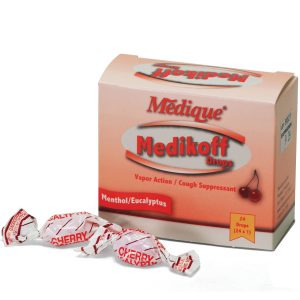
Medications


First Aid Kits & Cabinets

Backpacks & Shoulder Bags

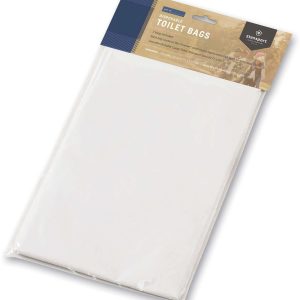
Hygiene

Survival Food


First Aid Tools


Emergency | Survival Kits
